AI needs more than a menu image
AI in the restaurant industry is moving quickly, but most useful restaurant AI still depends on the same foundation: clear menu data. A PDF, photo, or image-only menu may be readable to a guest, but it does not give search engines, AI assistants, QR code menus, or ordering tools dependable structure.
Menu engineering turns dish names, categories, descriptions, prices, dietary tags, modifiers, images, and availability into reusable records. That makes the menu easier to publish, update, personalize, and understand.
Restaurant menu design is now a data problem too
Restaurant menu design used to focus mainly on layout, typography, item placement, and in-room merchandising. Those still matter, but digital menus add another layer: every section and item should be structured in a way that software can interpret.
A well-designed digital menu helps guests scan faster while also giving Google, Gemini, ChatGPT, and other AI systems context about cuisine, signature dishes, dietary options, pricing, and dining occasions.
QR code menus and digital menu boards need the same source of truth
Many restaurants now publish menus across websites, QR code menus, digital menu boards, ordering pages, delivery platforms, and printed materials. When every channel is updated separately, inconsistencies show up quickly.
Structured menu data gives teams one clearer source of truth. Item names, prices, descriptions, categories, and images can be reviewed once and reused across multiple guest-facing surfaces.
Dynamic pricing still requires control
Dynamic pricing in restaurants can mean many things: happy hour prices, lunch and dinner menus, seasonal items, event pricing, or location-specific updates. Even when restaurants do not automate price changes, they still need a reliable way to manage and publish accurate price data.
Vera Menu does not automatically set prices. It helps keep price fields structured, reviewable, and traceable so operators can publish updates with less manual rework and fewer stale menus.
Menu personalization AI depends on clean attributes
Menu personalization AI can only recommend confidently when it understands what each dish is. Tags for allergens, diets, ingredients, preparation style, spice level, meal period, and category all help systems match a guest request with the right menu items.
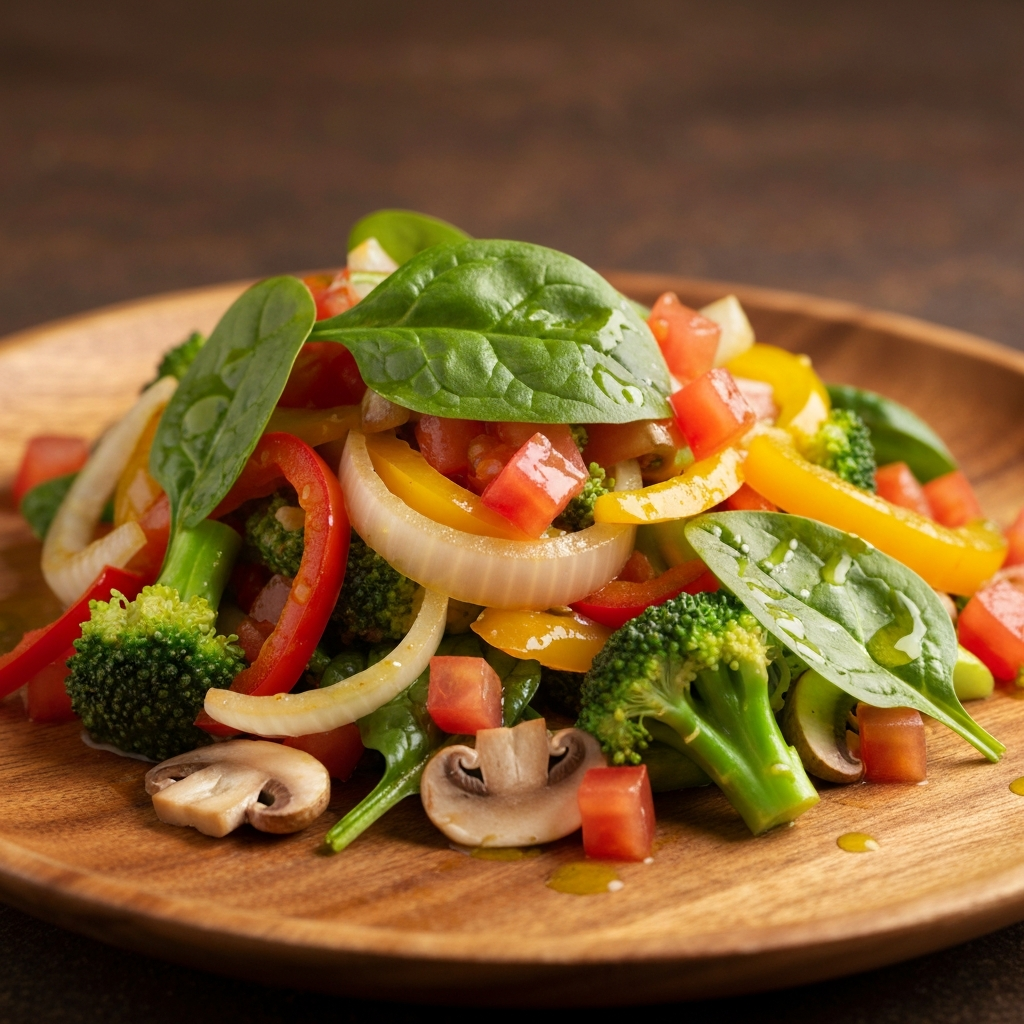
That same structure can also support food ordering trends such as dish-level search, dietary filtering, visual menus, conversational recommendations, and faster mobile ordering decisions.
The practical next step
Restaurants do not need to chase every new AI trend at once. The practical move is to make the menu easier for both people and machines to understand: publish crawlable text, use clear dish descriptions, keep prices current, add useful tags, include strong images, and use structured data such as JSON-LD.
Vera Menu helps restaurants turn existing menu files into reviewed, AI-ready assets that can support SEO, GEO, QR code menus, digital menu boards, and the next generation of restaurant discovery.