Traditional photography captures the real dish
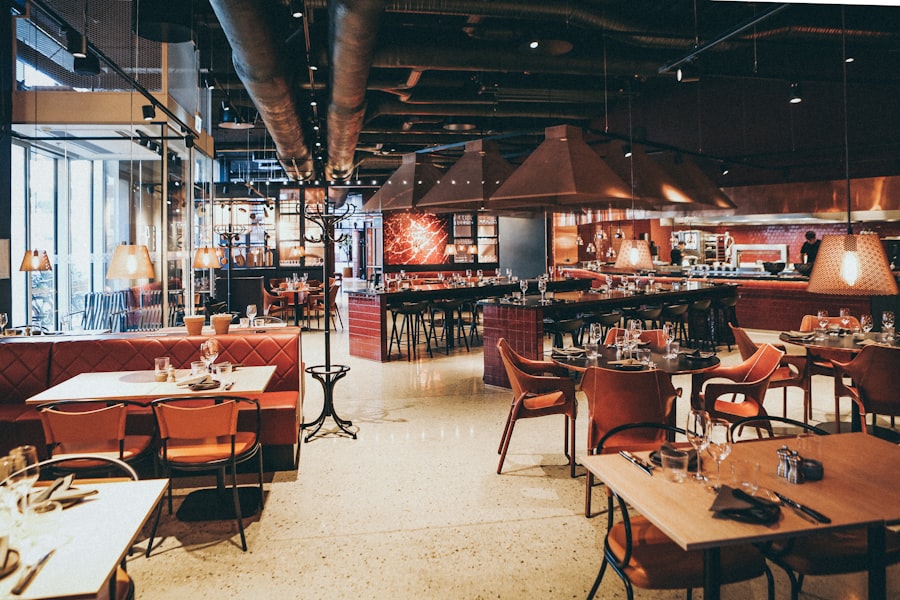
Professional food photography is still the strongest option when a restaurant needs exact visual accuracy. It captures the real plating, lighting, texture, and portion size of a dish as prepared by the kitchen.
That accuracy is especially valuable for signature items, catering menus, press materials, and dishes where presentation is part of the brand.
AI images reduce the blank menu problem
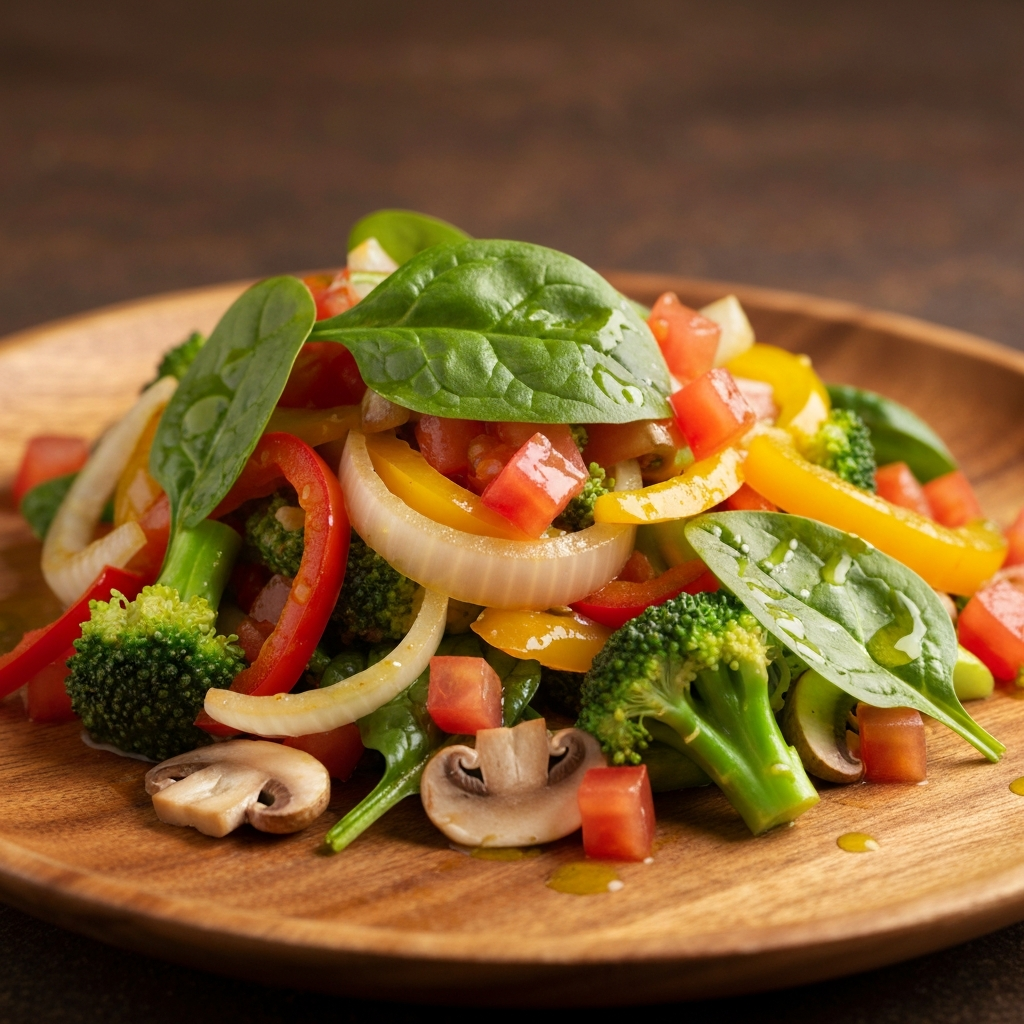
Many restaurants do not have the time or budget to photograph every item. AI images can help fill gaps, create draft visuals, and make menu publishing faster when the restaurant can provide accurate dish details.
For large menus, seasonal menus, and early digital publishing work, AI images can provide useful coverage while the restaurant gradually invests in real photography for priority dishes.
The tradeoff is control versus truth
AI gives speed, consistency, and creative control. Traditional photography gives stronger proof that the image shows the real item. Restaurants should decide which matters more for each use case.
A practical approach is hybrid: use real photos for the most important dishes and carefully reviewed AI images for lower-priority items that still need visual context.
Use both with structured menu data
Whether an image is AI-generated or photographed, it works better when connected to structured menu data. Item names, descriptions, dietary tags, categories, and image metadata help guests, search engines, and AI systems understand what the image represents.