Trust is more important than polish
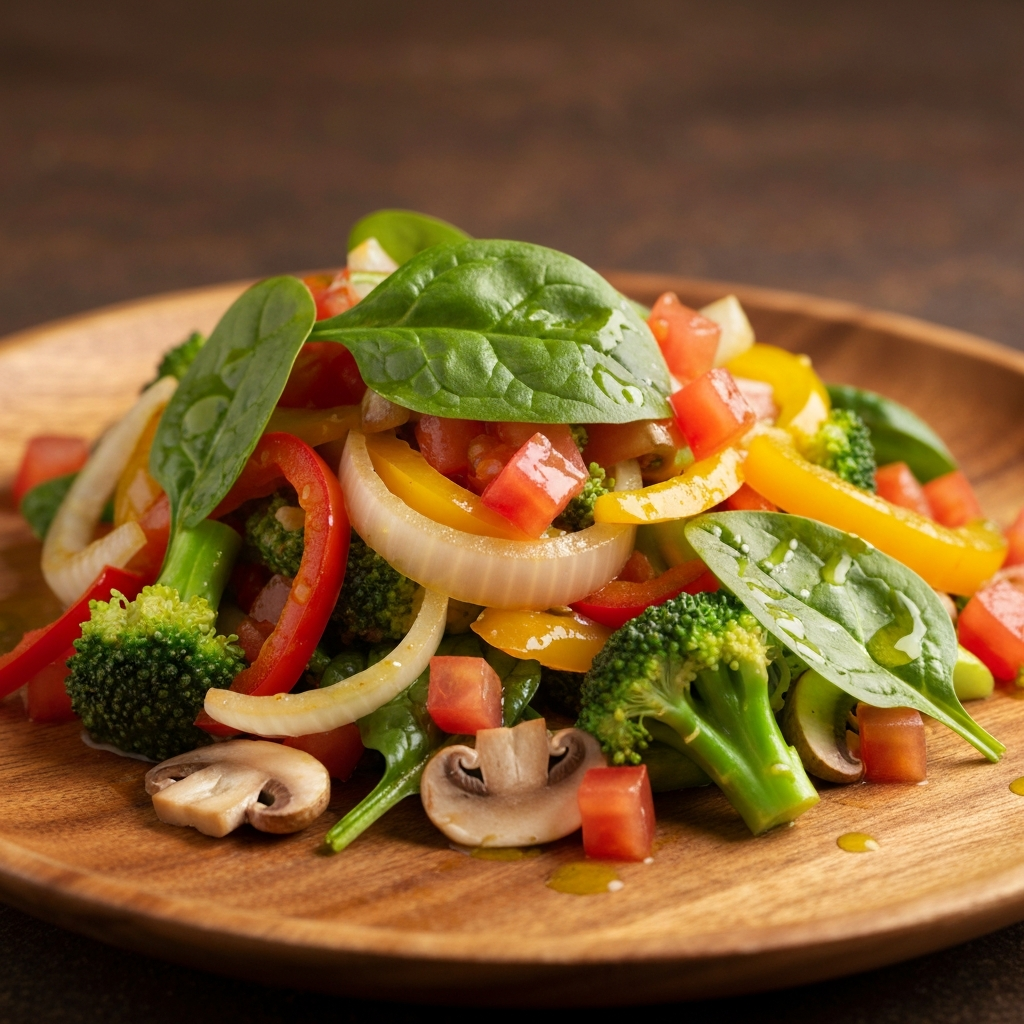
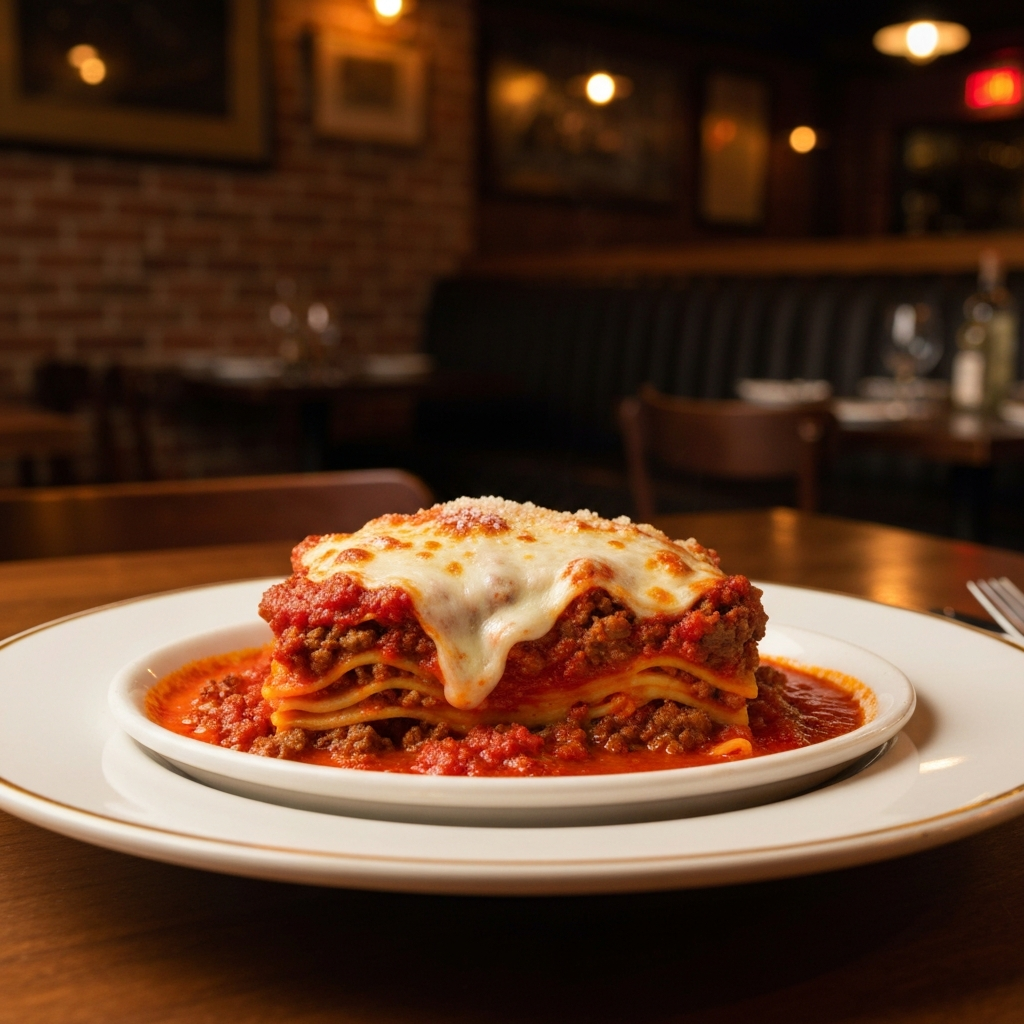
AI-generated food images can make a digital menu feel more complete, especially when a restaurant does not have professional photos for every dish. But the image needs to represent the actual item closely enough that guests are not surprised when the food arrives.
A realistic but inaccurate image can create more damage than having no image at all. Guests use menu photos to set expectations about ingredients, portions, preparation style, and presentation.
Use a review checklist
Before publishing an AI image, compare it with the dish description and the restaurant preparation. Check the protein, sides, sauce, garnish, portion size, plating style, and any visible dietary details.
If an image adds ingredients that are not included, hides a major ingredient, or makes the dish look substantially more premium than reality, revise it or leave it unpublished.
Start with supporting images
AI images are often best for supporting menu sections, draft concepts, seasonal previews, and dishes where the restaurant can provide clear ingredient direction. Signature dishes and highly distinctive plating may deserve real photography when possible.
Keep humans in the workflow
The safest process is not fully automatic. Restaurant operators should review every image before it becomes customer-facing. AI can speed up production, but the restaurant should remain responsible for final accuracy.