Guests do not always search for your restaurant name
Many high-intent restaurant searches start with a dish or need, not a brand. Guests ask for tacos nearby, vegan pasta, seafood with outdoor seating, spicy ramen, or a kid-friendly brunch spot.
If your website only has a generic homepage and a menu PDF, it may not send enough dish-level signals to compete for those moments.
Structured menu pages create more entry points
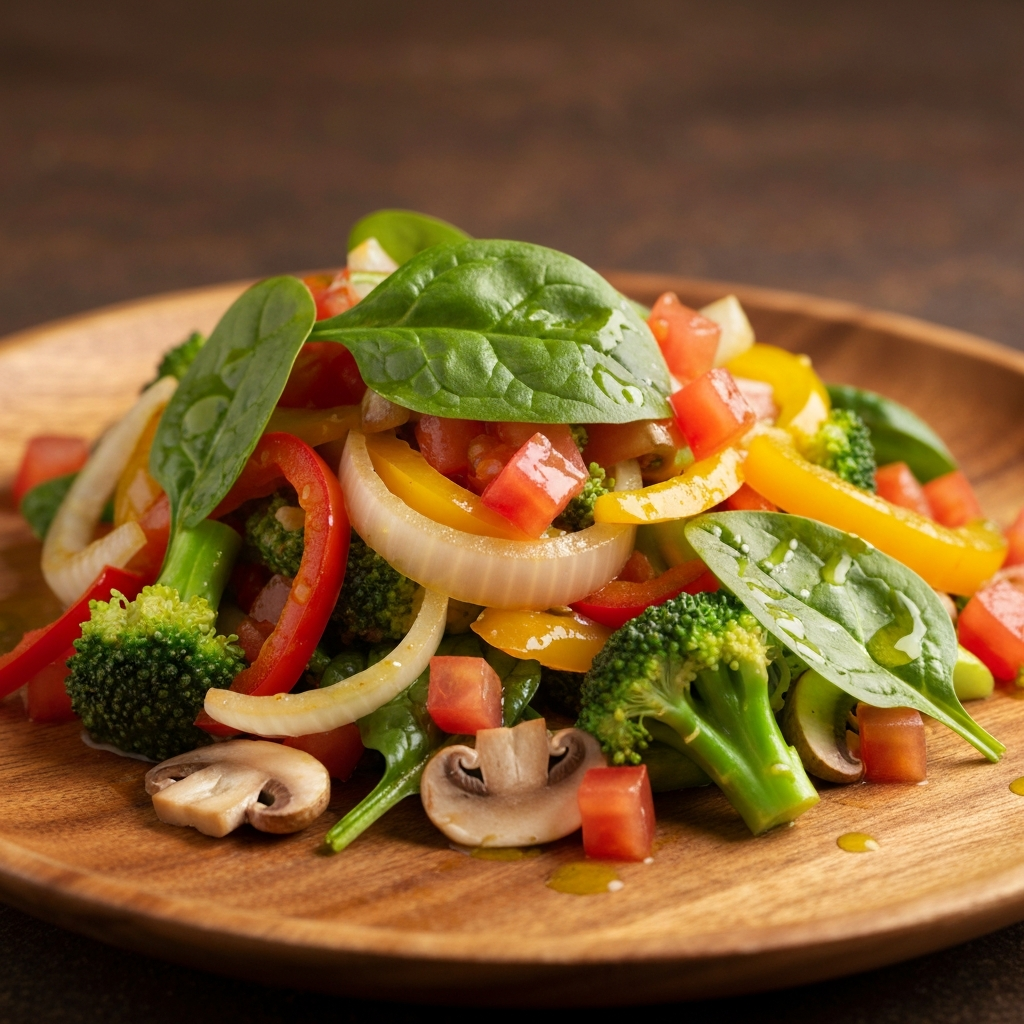
A structured menu page gives search engines and AI systems readable information about each category and item. Dish names, descriptions, dietary attributes, prices, and images all help define what the restaurant is relevant for.
This matters for SEO today and GEO as AI-powered discovery grows. The better your menu is understood, the more likely it can support precise recommendations.
Vera Menu handles the heavy lifting
Most restaurant teams do not have time to manually convert menu files into clean, structured web content. Vera Menu helps process menu materials, organize item data, enrich descriptions, support image workflows, and publish AI-readable menu assets.
That gives restaurant owners a practical path from existing menu files to better search and AI visibility without rebuilding their entire website first.
Start with your best dishes
The first priority should be the dishes guests already love or search for often. Make those items clear, descriptive, categorized, and connected to the restaurant location. Over time, the whole menu can become a stronger discovery asset.